Table of Contents
Introduction
Picture this: you’re cruising down the highway, maybe running a bit late, when suddenly you need to stop fast. You press the brake pedal and… nothing feels quite right. Your car takes forever to slow down, or worse, you hear that awful grinding sound that makes your stomach drop. Trust me, you never want to experience that moment of panic.
Your brake pads? They’re literally what stands between you and disaster. Every single time you press that pedal, these unassuming pieces of friction material work overtime to bring tons of moving metal to a safe stop. And here’s the thing—they don’t last forever. Ignoring worn brake pads isn’t just risky; it’s downright dangerous for you, your family, and everyone sharing the road with you.
Think of brake pads as the workhorses of your car’s stopping power. They take a beating every day, absorbing incredible amounts of heat and friction just so you can make it safely to your destination. But when they start wearing thin, your car tries to tell you—through squeaks, vibrations, or that spongy feeling when you brake. Miss these warning signs, and you’re looking at much bigger problems than just replacing some pads.
Now, if you’re new to car maintenance (and honestly, we all start somewhere), understanding your brake system might feel overwhelming. But it doesn’t have to be. Learning the basics, like how to check car brake fluid, gives you a solid foundation for keeping your brakes in top shape. It’s all connected—brake fluid, pads, rotors—they work as a team.
Here’s something most people don’t think about: taking care of your brake pads actually saves you money. Seriously. Let worn pads go too long, and they’ll start damaging your rotors and calipers. Suddenly, what could have been a $100 brake pad replacement becomes a $500+ nightmare. Plus, if you’re dealing with insurance claims for repairs, knowing about insurance for auto repair shops can help you navigate those tricky situations when unexpected maintenance costs pop up.
The beautiful thing about brake maintenance is that it fits perfectly with other car care habits you should develop anyway. Once you get comfortable with brake pads, those car maintenance tips for beginners start making more sense. You begin to see how everything connects—from checking car oil levels to preventing rust on cars. It’s like learning a new language, and brake maintenance is one of the most important phrases you can master.
What You’ll Learn in This Guide
Ready to take control of your car’s stopping power? Here’s exactly what we’re going to cover together:
- Understanding Brake Pads: Learn how brake pads function within your vehicle’s braking system and why their condition is critical for safety.
- Recognizing Signs of Wear: Identify common indicators that your brake pads need replacement, including noises, pedal behavior, and visual cues.
- Tools and Materials Required: Discover the essential tools and materials required for a successful brake pad replacement, preparing you thoroughly before starting.
- Step-by-Step Replacement Process: Follow detailed instructions covering safety preparation, detaching old brake pads, installing new ones, and final checks for a job done right.
But wait—there’s more to it than just the replacement process. We’ll also dive into crucial safety tips and precautions because, let’s face it, working with brakes isn’t the time to cut corners. You’ll learn maintenance tricks that’ll help your new brake pads last longer, and we’ll be honest about when you should probably just call a professional instead of tackling it yourself.
Look, I get it. The idea of working on your brakes can be intimidating. These are the things that stop your car, after all. But here’s what I’ve learned: understanding your brake system—even if you never plan to work on it yourself—makes you a smarter, safer driver. You’ll know what those weird noises mean, when to take action, and how to communicate with your mechanic when something’s not right.
Throughout this guide, we’ll walk through everything step by step. No confusing jargon, no skipped steps, no assuming you already know stuff you don’t. We’ll start with the basics—what brake pads actually do and how to spot when they’re crying for help. Then we’ll get into the nitty-gritty: tools, techniques, and the actual replacement process that can save you hundreds of dollars.
And because your car is more than just its brakes, we’ll connect this knowledge to other essential maintenance tasks. Things like cleaning car headlights and checking tire alignment might seem unrelated, but they’re all part of keeping your car safe and reliable. Master brake pad replacement, and you’re well on your way to becoming truly confident with car maintenance.
Ready to get started? Let’s turn you into someone who never has to worry about brake problems sneaking up on you again.
Let’s talk about something that could save your life—and your wallet. Brake pads. They’re one of those car parts you don’t think about until something goes wrong, but here’s the thing: they’re literally what stands between you and disaster every time you press that brake pedal. Your brake pads work incredibly hard, creating friction against the rotors to stop thousands of pounds of moving metal. And like anything that works that hard? They wear out. The good news is that replacing them isn’t rocket science, and knowing when and how to do it will keep you safe on the road while avoiding those eye-watering repair bills that come from neglecting your brakes.
Understanding Car Brake Pads and Signs of Wear
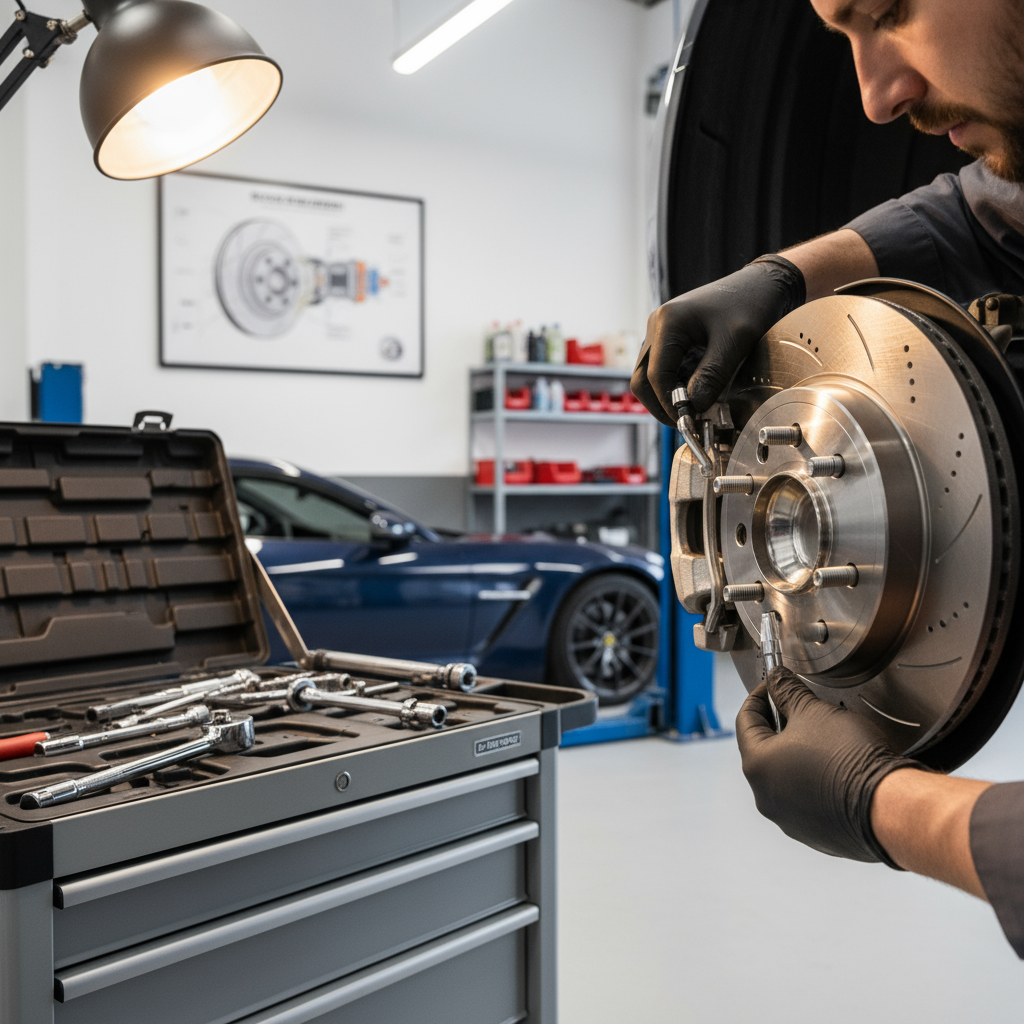
Think of brake pads as the unsung heroes of your car. They’re tucked away inside the brake caliper, just waiting for you to press that pedal. When you do, hydraulic pressure pushes these pads against the brake rotors—and that’s where the magic happens. The friction between the pads and rotors is what brings your car to a stop. Pretty simple concept, but the execution? That’s where things get interesting. Understanding your brake system components, including brake fluid maintenance, gives you a huge advantage when it comes to spotting trouble before it finds you.
Now, here’s what you need to watch out for. Your car will actually tell you when the brake pads are getting tired—you just need to know how to listen. That high-pitched squeaking when you brake? That’s not your car being dramatic. Most brake pads have little metal wear indicators built right in, and when the pad material gets thin enough, those indicators start scraping against the rotor. It’s like your car’s way of saying, “Hey, pay attention to me!” You might also notice your car takes longer to stop than it used to, or the brake pedal doesn’t feel as firm under your foot. Sometimes you’ll feel vibrations or pulsing through the pedal—usually a sign that your pads are wearing unevenly or your rotors need attention. Want to get better at spotting these issues early? Our car maintenance tips for beginners will help you become your car’s best friend.
Common Signs Your Brake Pads Need Replacement
Here’s your brake pad troubleshooting cheat sheet—bookmark this page, because you’ll want to reference it:
- Squeaking or Squealing Noises: Those little metal wear indicators are doing their job, creating noise when your pads get thin. It’s annoying, but it’s supposed to be—that’s how you know it’s time to replace them.
- Reduced Braking Performance: If you’re pressing harder on the pedal or noticing longer stopping distances, your pads are probably worn down and losing their grip on life (and your rotors).
- Vibration or Pulsing Pedal: When your brake pedal starts doing the cha-cha under your foot, it usually means uneven pad wear or warped rotors are throwing off your braking game.
- Visible Wear on Brake Pads: Sometimes the simplest check is the best one—if you can see through your wheel spokes and the pad material looks thinner than a slice of cheese, it’s time for new pads.
Catching these signs early isn’t just about saving money (though your wallet will thank you). It’s about preventing a simple brake pad replacement from turning into a major brake system overhaul. Trust me, replacing pads is way cheaper than replacing rotors, calipers, and everything else that can get damaged when you ignore the warning signs.
Step-by-Step Guide to Replacing Car Brake Pads Safely
Ready to get your hands dirty? Replacing brake pads yourself can be incredibly satisfying—and it’ll save you a decent chunk of change. But before we dive in, let’s talk safety. This isn’t the time to cut corners or wing it. Start by finding a flat, stable surface for your car and set that parking brake like your life depends on it (because it kind of does). While your car is still firmly planted on the ground, break loose those lug nuts—trust me, it’s much easier when the wheels can’t spin freely. Then grab your jack and jack stands. Notice I said jack stands, not just a jack. A jack can fail, and we’re not taking any chances here. For more detailed safety tips and tool recommendations, check out our guide on DIY car repairs for beginners.
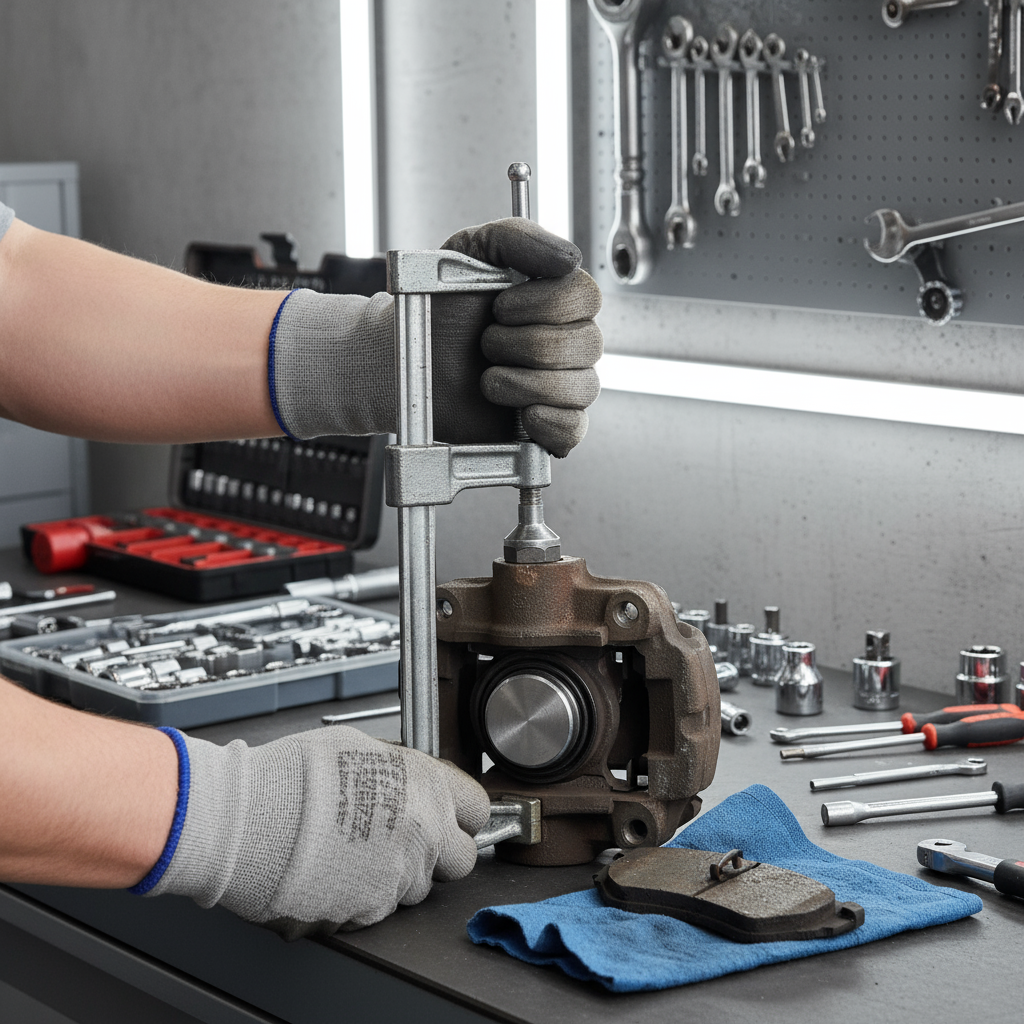
Once your car is safely in the air and supported, remove those lug nuts completely and pull the wheel off. Now you’re face-to-face with your brake system—pretty cool, right? Next step is loosening the caliper bolts. Here’s where things get interesting: you’ll need to compress the caliper piston back into its housing to make room for those nice, thick new brake pads. A C-clamp or proper brake tool makes this job much easier. Slide that caliper off its bracket and remove the old pads. Pro tip: don’t let the caliper just hang there by the brake line—that’s a recipe for damage and frustration. Support it somehow, even if it’s just propping it up with a block of wood. Installing the new pads is basically the reverse process: slide them into the caliper bracket, make sure everything lines up properly, then reattach the caliper and tighten those bolts to spec. Reinstall the wheel, snug up the lug nuts by hand, lower the car, and then torque those lug nuts properly. You’re almost done!
Key Aspects of Brake Pad Replacement Process
Here are the non-negotiables that separate a successful brake job from a trip to the emergency room (or at least an expensive tow):
- Preparation and Safety First: Jack stands aren’t optional—they’re mandatory. And make sure your tools are in good shape before you start. A stripped bolt halfway through the job will ruin your whole day.
- Careful Removal of Old Brake Pads: Take your time with those caliper bolts, and always support the caliper once it’s free. Brake lines are expensive to replace and annoying to bleed.
- Proper Compression of Caliper Piston: This step trips up a lot of people. The piston needs to go back into its housing smoothly—if you’re fighting it, something’s wrong. Stop and figure out what.
- Final Checks and Testing: Before you take your car for a spin, pump that brake pedal a few times to make sure it feels firm. And follow the break-in procedure—new pads need time to mate with the rotors properly.
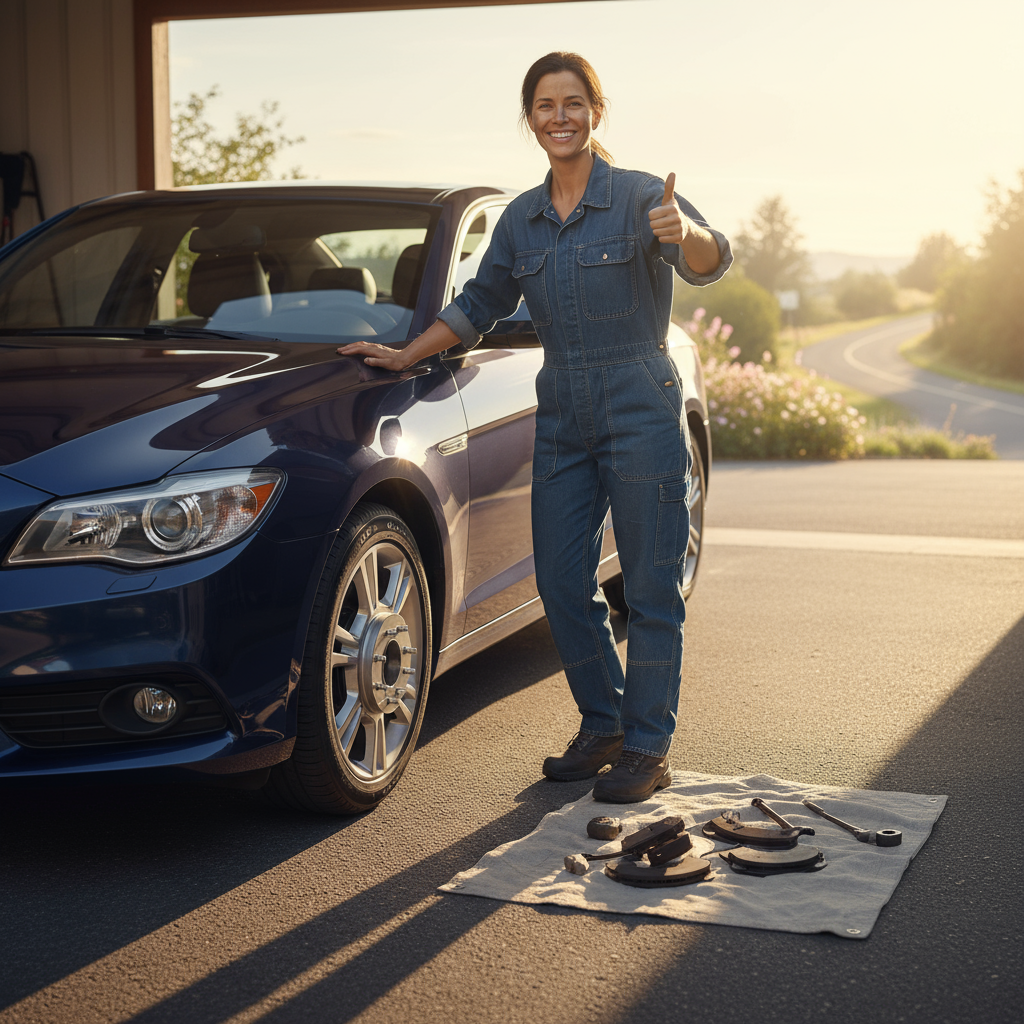
Getting these steps right the first time prevents those “oh no” moments that turn a simple maintenance job into a major headache. Once everything’s buttoned up, you’ll want to baby those new pads for the first few hundred miles—gentle stops, no hard braking unless it’s an emergency. Your new brake pads will thank you with better performance and longer life.
Your brake pads? They’re basically the heroes of your car’s safety system. These small but mighty components are what stand between you and a potential disaster every time you need to stop. And here’s the thing—when they start wearing out, everything changes. You’ll notice those telltale squeaks first, then maybe your car takes a bit longer to stop than usual. Sometimes the brake pedal starts feeling weird under your foot. Pay attention to these signs. Trust me, catching worn pads early will save you from the headache (and wallet pain) of replacing rotors or calipers down the road.
We’ve covered a lot of ground in this guide, haven’t we? From the moment you safely lift your car and get those jack stands in place, to the careful dance of compressing that caliper piston and sliding in those fresh pads. Each step matters. Really matters. That’s why we emphasized supporting the brake caliper properly—because nobody wants a damaged brake line. And those torque specifications? They’re not suggestions. Getting everything tightened just right means your new pads will do their job properly. Don’t forget the break-in process either. Those first few gentle stops help everything settle in for optimal performance.
Now comes the fun part—putting this knowledge to work. If you’re just getting started with car maintenance, I’d recommend checking out these car maintenance tips for beginners. They’ll give you a solid foundation to build on. Ready to tackle more hands-on projects? Our DIY car repairs for beginners guide walks you through everything step-by-step, building your confidence along the way. And here’s something important—brake pads and brake fluid work together as a team. Make sure you’re checking that fluid regularly with our guide on how to check car brake fluid. When everything’s working in harmony, your brakes will keep you safe mile after mile.
Look, replacing brake pads isn’t just about turning wrenches and following instructions. It’s about taking control of your safety and your vehicle’s health. Every time you successfully complete this job, you’re not just saving money—you’re gaining confidence and peace of mind. Want to keep building those skills? Learning how to check car oil level is another great way to stay on top of your car’s needs. The more you know about your vehicle, the better you can take care of it. And that means safer, more reliable trips every time you get behind the wheel.
Frequently Asked Questions
-
How often should brake pads be replaced?
- Brake pads generally need replacement every 30,000 to 70,000 miles, depending on your driving habits and conditions. Regularly checking for signs of wear helps you determine the right timing.
-
Can I replace brake pads myself?
- Yes, if you have basic mechanical skills and the proper tools, you can replace brake pads safely by following the step-by-step guide. Always prioritize safety and proper procedures.
-
What happens if I don’t replace worn brake pads?
- Failing to replace worn brake pads can reduce braking performance, cause damage to rotors and calipers, increase repair costs, and create unsafe driving conditions.
-
How do I know if my brake pads are worn out?
- Common signs include squealing or squeaking noises, visible thinning of the pads through your wheels, a vibrating or pulsing brake pedal, and longer stopping distances.
-
Do all cars use the same type of brake pads?
- No, brake pads vary by make, model, and brake system. Always check compatibility and manufacturer recommendations before purchasing replacements.